
Preconstruction: What to Know Before You Sign
By Brooke Keenan · October 2026
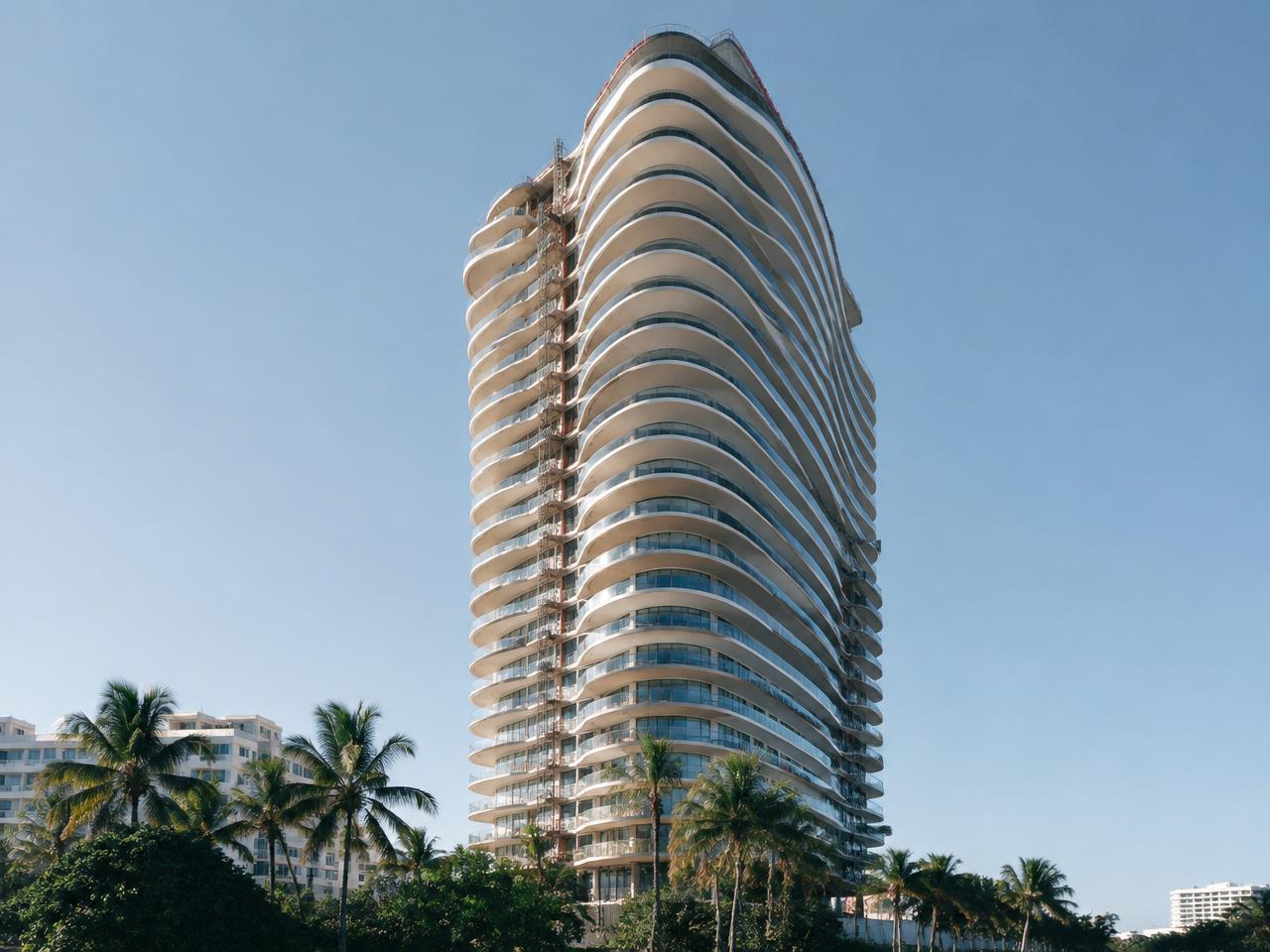
Pre-construction offers buyers the opportunity to secure a home before it's completed, often with access to preferred residences, views, and floor plans — but purchasing pre-construction is different from buying an existing property.
Miami's skyline is constantly evolving, with an impressive collection of luxury residential developments redefining the city's real estate landscape. From branded residences to boutique waterfront properties, pre-construction offers buyers the opportunity to secure a home before it's completed, often with access to preferred residences, views, and floor plans.
But purchasing pre-construction is different from buying an existing property. Before signing a contract, there are a few important factors every buyer should understand.
1. Understand the Deposit Structure
Unlike traditional real estate transactions, pre-construction purchases typically require deposits paid in stages throughout the development process. Payment schedules vary by project, so understanding when funds are due, whether deposits are refundable, and the terms governing their release is essential.
2. Look Beyond the Renderings
Architectural renderings offer a glimpse into a project's vision, but buyers should carefully review floor plans, square footage disclosures, proposed finishes, amenities, and the developer's track record. It's equally important to understand which features are guaranteed and which may change before completion.
3. Consider the Timeline
Construction schedules are estimates, and delays are possible. Buyers should review projected completion dates, contractual extensions, and their options if a project takes longer than anticipated. Flexibility is especially important for those coordinating a relocation or planning to occupy the residence by a specific date.
4. Understand the Full Cost of Ownership
Beyond the purchase price, consider estimated condominium association fees, property taxes, closing costs, insurance, and any additional charges associated with the building. In Miami's luxury market, these expenses can vary significantly between developments.
5. Have the Right Representation
A developer's sales team represents the developer's interests. Working with your own real estate advisor provides an additional perspective when comparing projects, evaluating locations, reviewing market conditions, and navigating the purchasing process. A qualified Florida real estate attorney should also review the contract and condominium documents before you commit.
The Bottom Line
Pre-construction can offer exciting opportunities in Miami's luxury real estate market, but the right purchase requires more than falling in love with a rendering. Understanding the details, evaluating the developer, and selecting a property that aligns with your goals are essential to making an informed decision.